


It’s a Buyer’s Market—So How Much Can You Knock Off the Asking Price?
More negotiating power doesn’t mean market value disappears.
I get asked this question all the time:
“It’s a buyer’s market. How much can we knock off the asking price?”
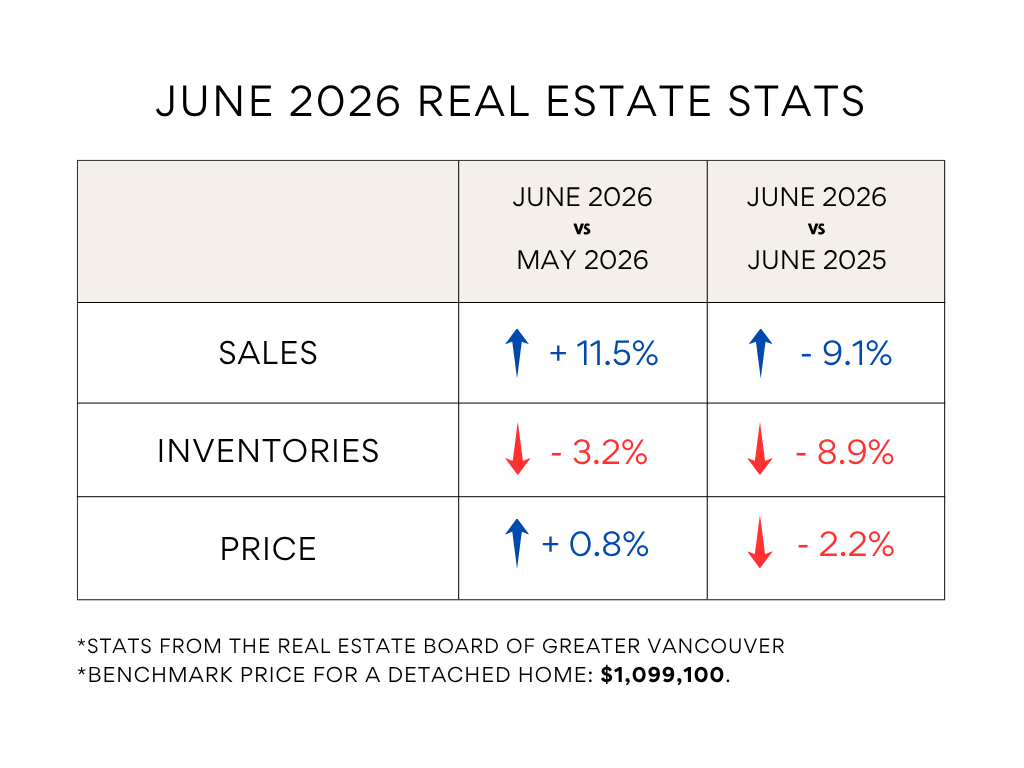
It’s a fair question. Buyers today generally have more listings to choose from, more time to make decisions, and better negotiating power than they did in a hot seller’s market.
But there is one important misconception:
A buyer’s market does not mean every property can be bought at a huge discount.
The Asking Price Is Not Always the Market Value
When buyers see a property listed for $1 million, it’s natural to use that number as the starting point for negotiation.
Can we offer $950,000?
$900,000?
Maybe even lower?
But before deciding how much to offer, there is a much more important question:
What is the property actually worth in today’s market?
In real estate, the asking price is sometimes simply part of the marketing strategy.
For example, after reviewing recent comparable sales, the property’s condition, location, and current market conditions, a home may have a reasonable market value of around $1 million.
The seller may choose to list it at $899,000 to attract more buyers, generate showing activity, and potentially create competition.
That does not mean the property is suddenly worth $899,000.
And it certainly does not mean that because the market is slower, the seller will now accept $500,000.
The opposite can also be true.
A property listed at $1.2 million may only be worth around $1.05 million. The seller may have higher expectations, be testing the market, or simply be overpriced.
The asking price is a number chosen by the seller and the listing Realtor. Market value is determined by what informed buyers are willing to pay and sellers are willing to accept in the current market.
Those are not always the same thing.
A Slower Market Still Has a Market Value
In a slower market, buyers usually have more leverage.
There may be fewer competing offers. Properties may take longer to sell. Buyers may have more time to complete due diligence, include conditions, and negotiate on price.
But a slower market does not mean properties suddenly lose all relative value.
A desirable home in a good location is still compared with other similar homes.
A well-priced property can still attract multiple buyers.
A seller without financial pressure may simply decide not to sell if the offers are significantly below market value.
Sometimes, the result of a slow market is not a dramatically lower sale price.
It is simply no transaction at all.
The buyer is unwilling to pay what the seller wants.
The seller is unwilling to accept what the buyer is offering.
So the property sits on the market.
So How Much Can You Actually Knock Off the Asking Price?
The answer is: it depends on what the property is worth—not simply what the seller is asking.
Before advising a buyer on an offer strategy, an experienced Realtor should look at:
- Recent comparable sales—not just active listings
- How long the property has been on the market
- Previous listings, price changes, cancellations, and relistings
- The condition, location, layout, floor level, and other property-specific factors
- How the property compares with the buyer’s other options
- Whether there are other interested buyers or competing offers
- The seller’s motivation and circumstances, when that information is available
- Current market conditions for that particular property type, location, and price range
This is why experienced buyer representation involves much more than simply helping a buyer “negotiate harder.”
Sometimes, the right advice is:
“This property is overpriced. I don’t think the comparable sales support the asking price.”
Other times, the right advice is:
“This property is intentionally listed below market value. If you genuinely want it, offering another 10% below the asking price is unlikely to be a successful strategy.”
Knowing the difference matters.
A Buyer’s Market Gives You Leverage—Not Unlimited Discounts
Good negotiation does not begin with:
“How much can we knock off the asking price?”
It begins with:
“What is this property actually worth?”
From there, we can evaluate the seller’s motivation, the property’s strengths and weaknesses, the level of competition, and current market conditions to determine an appropriate offer strategy.
Sometimes that means negotiating aggressively.
Sometimes it means making a strong offer on a strategically underpriced property.
And sometimes it means walking away.
A buyer’s market gives buyers more choices, more time, and greater negotiating power.
It does not make market value disappear.
The better approach is simple:
Determine market value first. Understand the seller’s motivation. Evaluate the competition. Then decide what to offer.